Honeycomb, Omasum or Plain Tripe? A Guide to Buying Shaki Abroad
Honeycomb, Omasum or Plain Tripe? A Guide to Buying Shaki Abroad
The difference between honeycomb, omasum (book) and plain beef tripe, which one to use for pepper soup and stew, and how each one cooks.

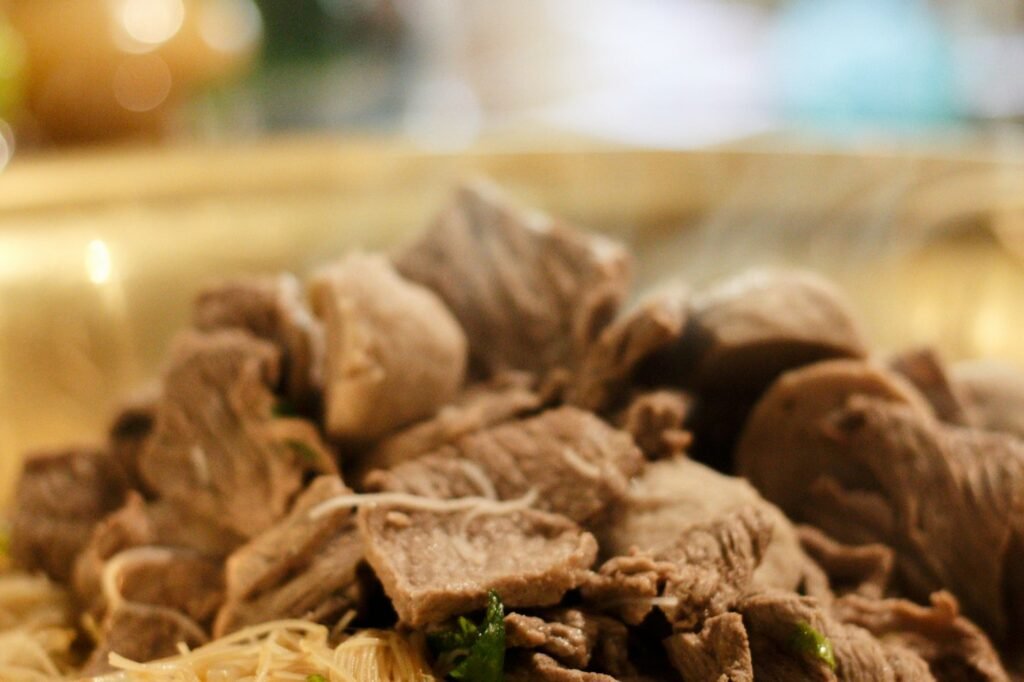
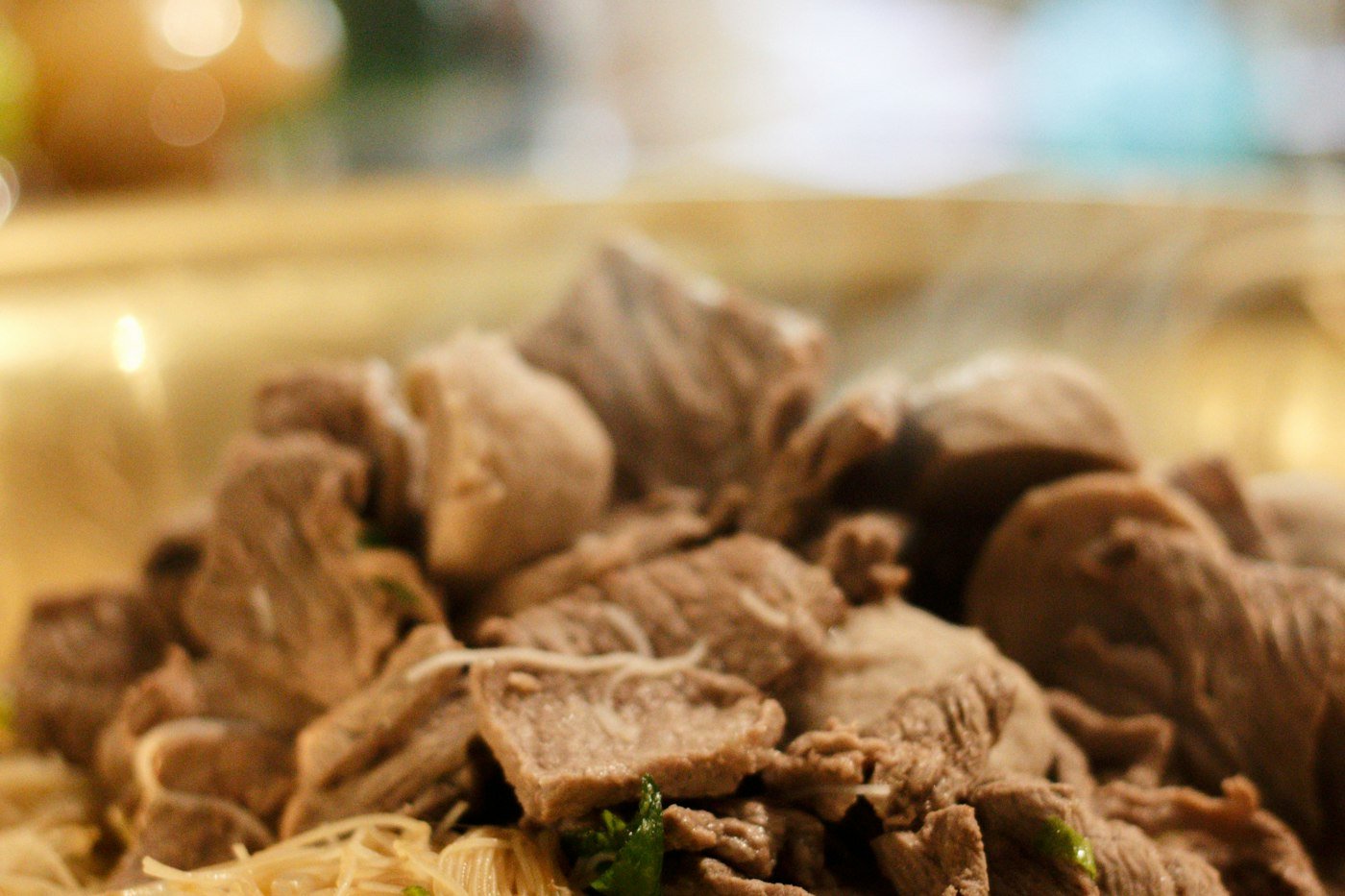
In African stores and butchers abroad, “tripe” comes in several kinds. They are all from a cow’s stomach, but each part has a different texture.
| Type | Looks like | Texture | Best for |
|---|---|---|---|
| Honeycomb tripe | Honeycomb pattern | Tender, absorbs sauce | Pepper soup, stew, egusi |
| Omasum (book or leaf tripe) | Thin layers like the pages of a book | Slightly crunchy, delicate | Pepper soup, assorted meat |
| Plain / blanket tripe | Smooth, flat | Chewy | Stews, soups, long cooking |
How to cook each
- Honeycomb: 1.5 to 2 hours simmering (30 minutes in a pressure cooker).
- Omasum: wash carefully between the “pages”; 1 to 1.5 hours.
- Plain: 2 to 3 hours, or 40 minutes in a pressure cooker.
Cleaning tips
- Most store tripe is pre-washed (bleached or “white”); unwashed (green) tripe needs much more cleaning.
- Scrub with salt and lemon or vinegar.
- Parboil 5 minutes, drain and rinse before cooking.
- Season well; tripe takes on flavour from onions, pepper and stock cubes.
Nutrition
Tripe is high in protein and low in fat, and provides vitamin B12 and minerals such as zinc and selenium. It is also usually one of the cheapest cuts.
Finding ingredients abroad: most African and international grocery stores carry these. Check our Tokunbo Directory for African-owned stores near you.
Over to you: Shaki in pepper soup or in stew? Tell us in the comments or share your story.
Real stories, practical tips and resources to help Africans abroad live, work and thrive.
Have a story to share? Write for Tokunbo Central
Comments & Discussion
0Share your thoughts, ask questions or add your experience.
Sign in or join free to comment, reply and like. Comments also appear in the Community.
- No comments yet. Start the conversation.