The African Pantry Checklist: 30+ Staples to Stock Abroad
The African Pantry Checklist: 30+ Staples to Stock Abroad
A practical shopping list of Nigerian and African pantry staples, from palm oil and egusi to iru and teff, with tips on storing them abroad.


Whether you just moved abroad or you are finally ready to cook properly, a well-stocked pantry is the difference between “what do I eat today?” and a pot of egusi in an hour. Here is a checklist you can take to the store.
Why shop with a list
- You spend less and waste less.
- You do not get home and realise you forgot the crayfish.
- You plan meals for the week instead of ordering takeout.
Swallows and starches
- Garri (white or yellow)
- Pounded yam flour (poundo)
- Plantain or cassava fufu flour
- Semolina or wheat flour for swallow
- Rice: long-grain parboiled and ofada
- Yam (fresh tubers keep for weeks in a cool, dark place)
- Plantains
- Ogi / pap
Soup thickeners and proteins
- Egusi (ground melon seeds)
- Ogbono
- Black-eyed or honey beans (oloyin)
- Stockfish
- Dried fish
- Ground crayfish
- Groundnut (peanut) paste
- Goat meat or assorted meat (freezer)
Oils
- Palm oil
- Groundnut or vegetable oil
- Coconut oil (great for East African dishes)
Flavour builders
- Scotch bonnet peppers (freeze them whole)
- Dry ground pepper and Cameroon pepper
- Onions, tomatoes and tomato paste
- Seasoning cubes
- Iru / dawadawa (fermented locust beans)
- Ogiri
- Curry powder and thyme
- Suya spice (yaji)
- Ginger, garlic, nutmeg, cloves
- Alligator pepper (ataare)
- Uziza and grains of selim (uda) for pepper soup
Leaves (fresh, frozen or dried)
- Ugu (fluted pumpkin)
- Bitter leaf
- Scent leaf (efirin / nchuanwu)
- Utazi
- Ewedu or jute leaves
- Spinach or kale as a good substitute
Drinks and treats
- Zobo (dried hibiscus) leaves
- Tiger nuts (aya) for kunu aya
- Malt drinks
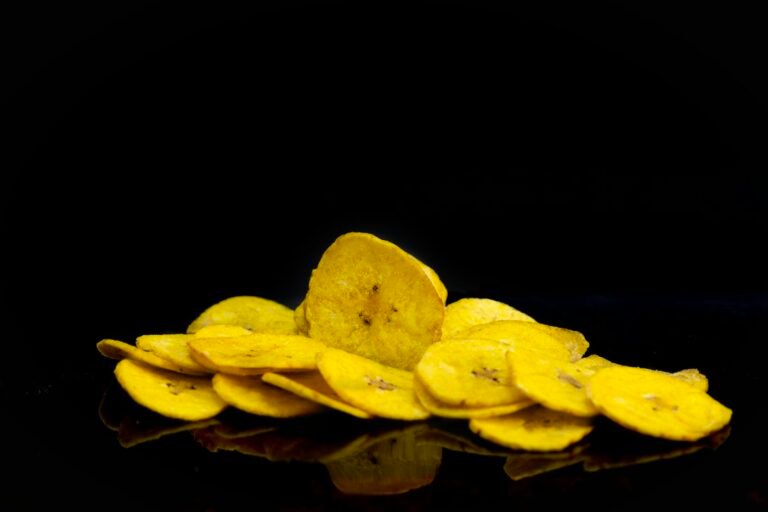
- Chin chin and plantain chips
Across the continent
Other African kitchens have their own essentials: teff for injera in Ethiopia, maize meal for ugali, sadza and pap in East and Southern Africa, couscous and dates in North Africa, and coconut milk with curry spices on the East African coast. If you share a kitchen or a home with friends from across the continent, your pantry can grow with them.
Storing staples abroad
| Item | How to store |
|---|---|
| Grains, garri, flours, beans | Airtight containers in a cool, dry cupboard |
| Palm oil | Cool, dark place; it solidifies when cold, which is normal |
| Crayfish, egusi, ogbono | Freezer bags in the freezer to keep them fresh and pest-free |
| Peppers and leaves | Freeze in portions |
| Stockfish and dried fish | Sealed bags; freeze after soaking |
Finding ingredients abroad: most African and international grocery stores carry these. Check our Tokunbo Directory for African-owned stores near you.
Over to you: What is the one item you always panic-buy when you see it in an African store? Tell us in the comments or share your story.
Ask people who’ve been there: Where can I buy African foodstuff abroad? is open in the Community. Share what worked for you, or ask your own question.
Real stories, practical tips and resources to help Africans abroad live, work and thrive.
Comments & Discussion
0Share your thoughts, ask questions or add your experience.
Sign in or join free to comment, reply and like. Comments also appear in the Community.
- No comments yet. Start the conversation.