Okra: Nutrition and 5 Ways Africa Cooks It
Okra: Nutrition and 5 Ways Africa Cooks It
Why okra is good for you, and five ways it is cooked across Africa, from super kanja and ila alasepo to miris otong and muamba de galinha.

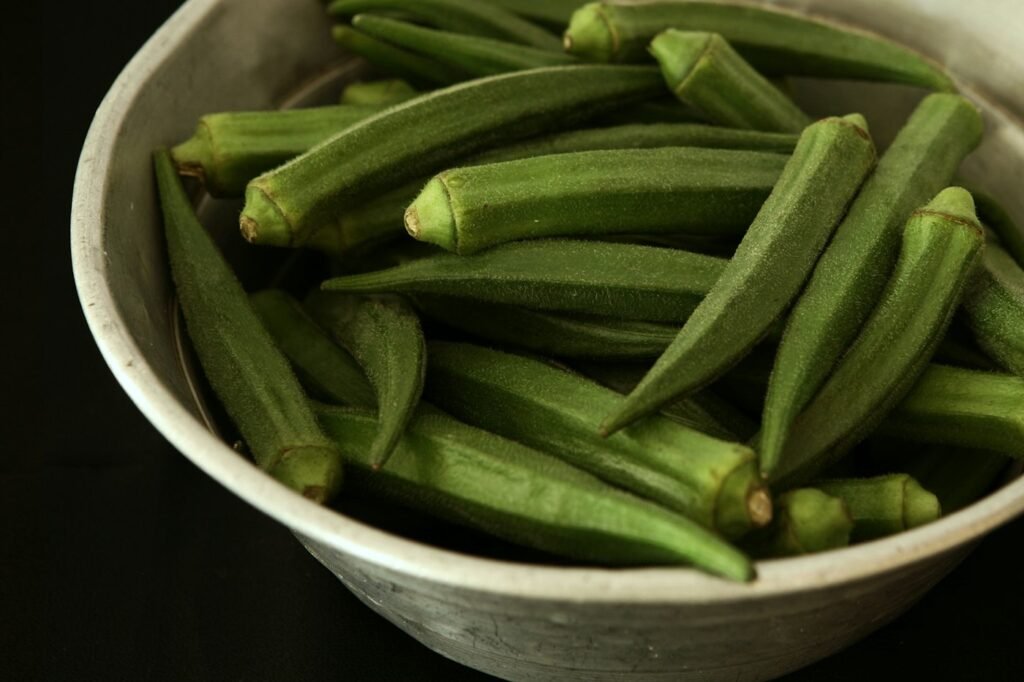
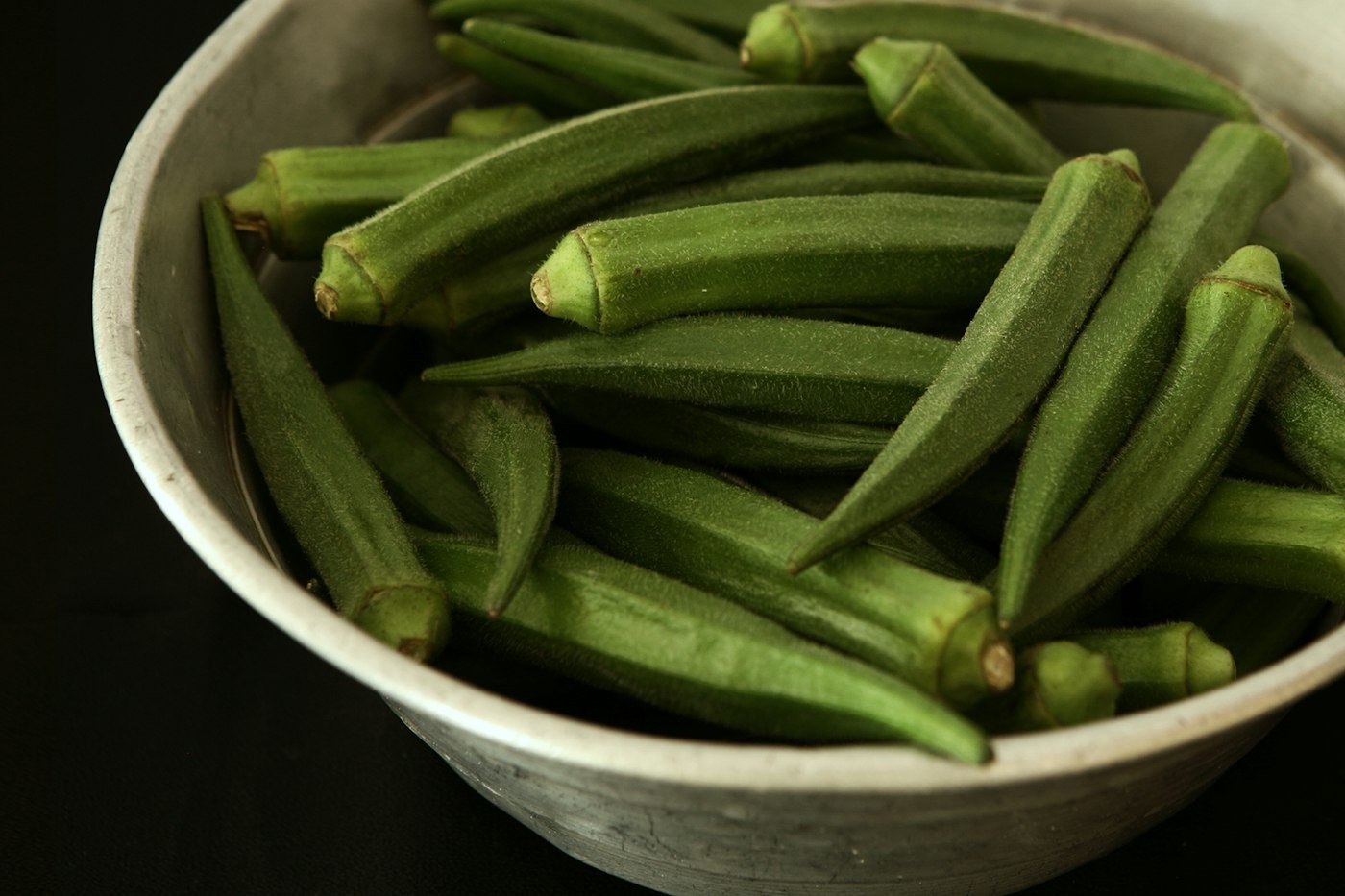
Okra (ila, okwuru, kubewa) is one of Africa’s oldest vegetables. Its slimy “draw” is loved in soups and disliked by many outside Africa, but cooked right it is delicious.
Why okra is good for you
- Low in calories and high in fibre
- A source of vitamin C, vitamin K and folate
- Its soluble fibre (the slime) may help with fullness and digestion
5 ways Africa cooks okra
| Dish | Where | In short |
|---|---|---|
| Ila alasepo | Nigeria (Yoruba) | Okra soup with peppers, iru and assorted meat and seafood |
| Okra soup (ofe okwuru) | Nigeria (Igbo) | Okra with palm oil, ugu and fish |
| Miris otong / otong soup | Nigeria (Efik, Ibibio) | Okra with ugu and waterleaf and seafood |
| Super kanja | The Gambia | Okra, palm oil and fish, served with rice |
| Muamba de galinha | Angola | Chicken stew with palm oil and okra |
Tips
- For a strong draw, chop finely or grate, and do not overcook.
- For less slime, cook it whole or in large pieces, or dry-fry it first.
- Frozen chopped okra works well in soups.
Finding ingredients abroad: most African and international grocery stores carry these. Check our Tokunbo Directory for African-owned stores near you.
Over to you: Okra: love the draw or avoid it? Tell us in the comments or share your story.
Real stories, practical tips and resources to help Africans abroad live, work and thrive.
Have a story to share? Write for Tokunbo Central
Comments & Discussion
0Share your thoughts, ask questions or add your experience.
Sign in or join free to comment, reply and like. Comments also appear in the Community.
- No comments yet. Start the conversation.