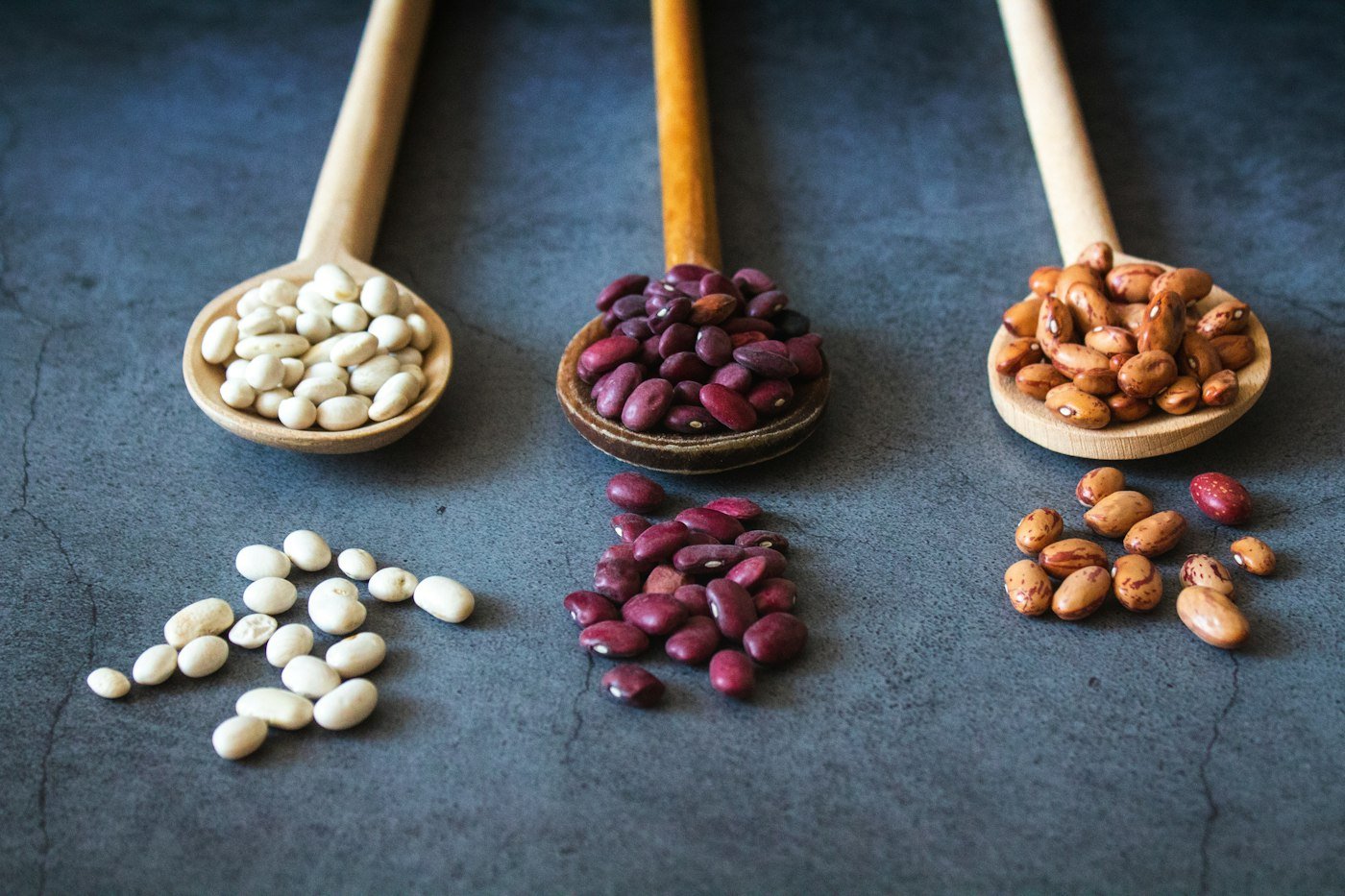
Iru, Ogiri, Kenkey and More: West Africa’s Fermented Foods
Iru, Ogiri, Kenkey and More: West Africa’s Fermented Foods
A tour of West African fermented foods, from iru and dawadawa to ogi, kenkey and nunu, how iru is made, and how to cook with it abroad.

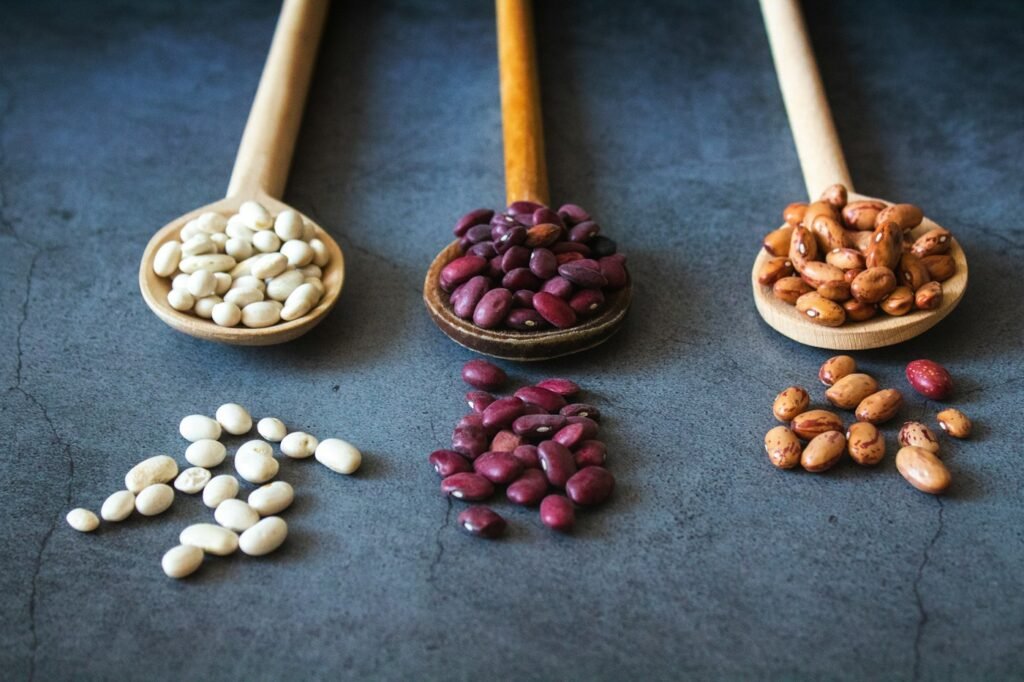
Long before “probiotics” became a supermarket buzzword, West African cooks were fermenting beans, grains, seeds and milk. Fermentation preserves food without a fridge and builds the deep, funky flavours that make our soups taste like home.
10 fermented foods from West Africa
| Food | Made from | Where you find it |
|---|---|---|
| Garri | Cassava | Across West Africa |
| Ogi / pap / akamu | Maize, millet or sorghum | Nigeria, Ghana (koko), Benin |
| Kenkey | Fermented maize dough, wrapped and boiled | Ghana |
| Fufu (traditional) | Fermented cassava | Nigeria, Ghana, Cameroon |
| Iru / dawadawa / soumbala | African locust beans | Nigeria, Ghana, Burkina Faso, Senegal |
| Ogiri | Melon or castor seeds | Southern Nigeria |
| Okpei | Mesquite (prosopis) seeds | Northern and central Nigeria |
| Pito | Sorghum or millet beer | Ghana, northern Nigeria |
| Nunu / nono | Fermented cow’s milk | Northern Nigeria, Ghana |
| Kpekere / gari foto base | Fermented cassava products used in many dishes | Ghana, Togo |
How iru (fermented locust beans) is made
- Locust beans are harvested from the pods of the African locust bean tree (Parkia biglobosa).
- The seeds are boiled for many hours until the hard coats soften.
- The coats are removed, usually by pounding and washing.
- The cleaned beans are boiled again, drained, wrapped in leaves or sacks and left in a warm place for 2 to 4 days to ferment.
- The result is iru: dark, soft and strongly aromatic. Some are dried and pressed into balls or cakes (dawadawa); some are sold wet (iru pete) or whole (iru woro).
How to cook with iru
- Fry a spoonful in palm oil before adding peppers for efo riro or ayamase.
- Stir into egusi, ogbono or obe ata for depth.
- Mash into ewedu or gbegiri.
- Use dried dawadawa powder in northern soups and stews.
Abroad tip: frozen iru keeps for months. Keep it double-bagged; the smell travels. Dried iru powder and cubes are easier for shared kitchens.
Are fermented foods good for you?
Fermentation can make some nutrients easier to absorb and reduce natural anti-nutrients in grains and beans. Some traditional ferments also contain live microbes, though cooking reduces them. Researchers are increasingly interested in locust beans and other African ferments, but most claims you see online go beyond the evidence. Enjoy them for what they clearly are: delicious, traditional and part of a balanced diet.
This article is general information, not medical advice. If you have a health condition, are pregnant, or are feeding a baby or young child, talk to your doctor or a registered dietitian before changing your diet.
Finding ingredients abroad: most African and international grocery stores carry these. Check our Tokunbo Directory for African-owned stores near you.
Over to you: Iru woro or iru pete: which one is in your freezer right now? Tell us in the comments or share your story.
Real stories, practical tips and resources to help Africans abroad live, work and thrive.
Have a story to share? Write for Tokunbo Central
Comments & Discussion
0Share your thoughts, ask questions or add your experience.
Sign in or join free to comment, reply and like. Comments also appear in the Community.
- No comments yet. Start the conversation.